
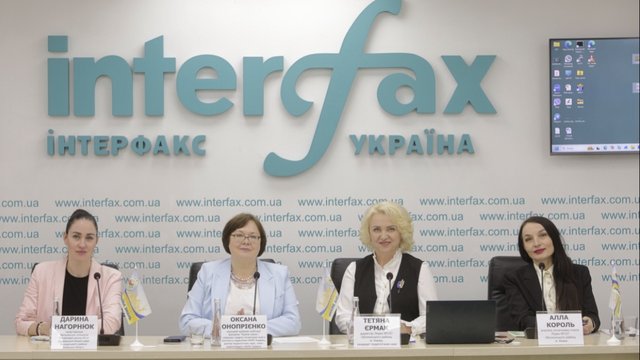
A new primary education model, “Country of Knowledge,” was presented in Ukraine. It was developed in response to the challenges of war, the digital age, and the future labor market. The program’s authors state that modern schools can no longer be based solely on memorizing rules and reproducing information—children must learn to think, explore, ask questions, and find solutions on their own.
The presentation took place during a press conference titled “Primary Education as Community Capital: Presentation of a Learning Model for Today’s Challenges,” organized with the participation of researchers, school principals, teachers, and parent representatives.
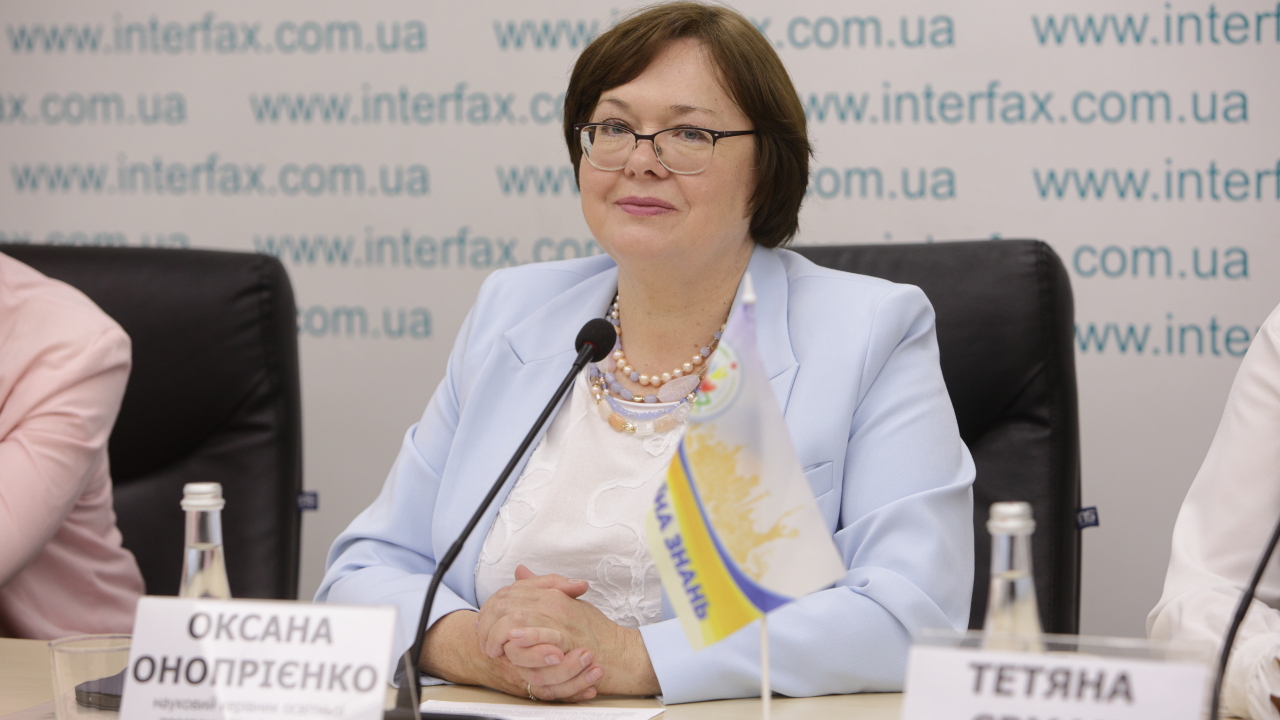
“We are changing the very philosophy of learning. We are not just teaching children to apply knowledge, but fostering a mindset of inquiry. This is a child’s foundation in an unstable world,” stated Oksana Onopriienko, head of the Department of Primary Education at the Institute of Pedagogy of the National Academy of Pedagogical Sciences of Ukraine and scientific director of the “Country of Knowledge” program.
According to the program’s authors, the world is changing so rapidly that today’s first-graders will be working in professions that do not yet exist in 15–20 years.
“65% of today’s first-graders will work in professions that do not yet exist. That is why we must teach children not just rules, but an understanding of how the world works,” emphasized Onopriyenko.
The program explains: for decades, traditional schooling has been based on a model where children listen, memorize, and reproduce information. In contrast, “The Land of Knowledge” offers a different approach—learning through research, practice, and emotional engagement.
In math classes, children don’t just study geometric shapes; they explore which materials will make a structure the strongest. In Ukrainian language classes, they learn to present their ideas and argue their own opinions. And in “I Explore the World” classes, they conduct experiments, formulate hypotheses, and seek explanations for phenomena.
The program’s authors place special emphasis on the fact that today’s Ukrainian children are learning amid a full-scale war—to the sound of sirens, after sleepless nights due to shelling, and in an atmosphere of constant anxiety.
“Psychologists are already talking about a dangerous symptom—children maturing too early. This affects their mental health and their ability to learn effectively,” she noted.
That is why, according to the developers, modern schools should not only impart knowledge but also restore children’s sense of security, curiosity, and the joy of learning.
In schools where the program has already begun to be implemented, there are reports of noticeable changes in children’s behavior. Tetyana Yermak, principal of Lyceum No. 157 in Kyiv’s Obolon district, stated that students have become more motivated and interested in learning.
“Children’s interest in school has increased by nearly 90%. They want to go to class, explore, and ask questions. The children even get sick less often because they enjoy being at school,” she said.
According to her, the program also has a positive impact on children’s emotional well-being during wartime, helping to reduce stress levels through creativity, teamwork, and a research-based approach.
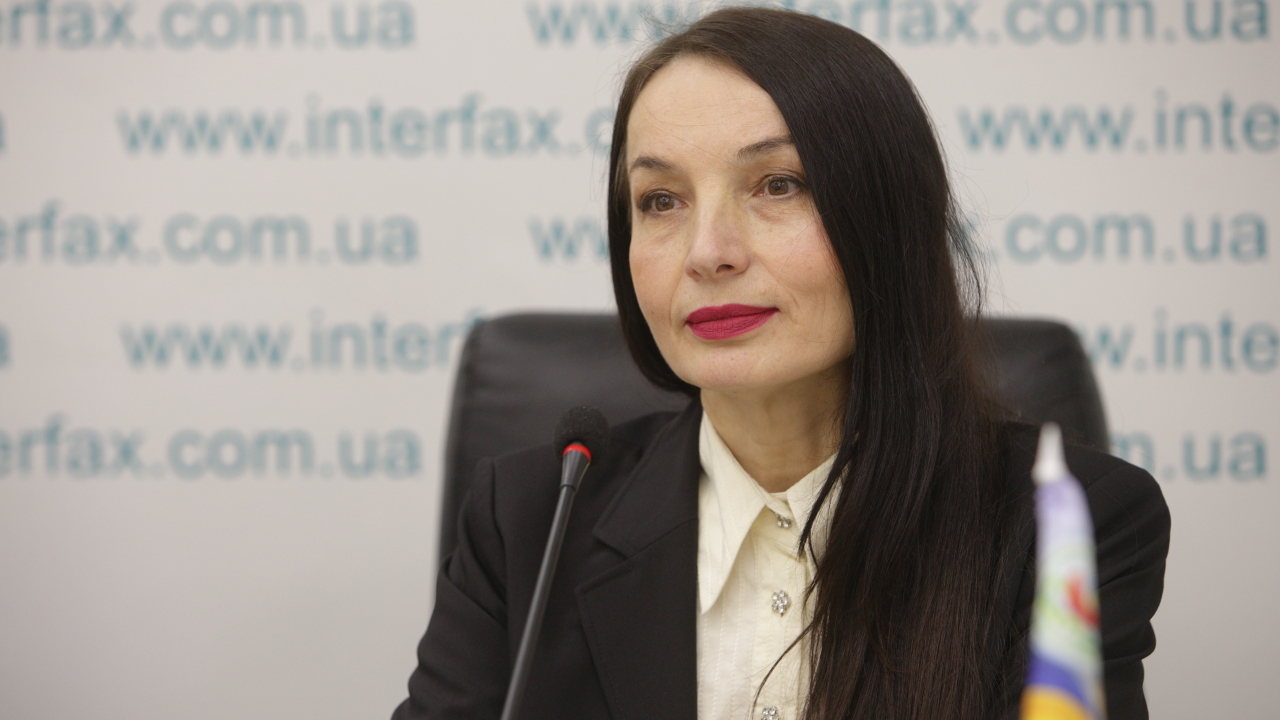
Elementary school teacher Alla Korol explained that as early as first grade, children freely use the terms “hypothesis” and “assumption,” learn to work in teams, and formulate rules on their own.
“Our first graders already know how to formulate hypotheses. They aren’t afraid to make mistakes and are learning to find answers on their own,” the teacher noted.
During the presentation, videos from classes were shown where first-graders demonstrated their own STEM projects and experiments. One such video was about the “energy source of the future,” created by a first-grade student.
Parents also speak of positive changes. A representative of the parent community, Daryna Nahorniuk, noted that children not only grasp the material better but also become more independent and confident.
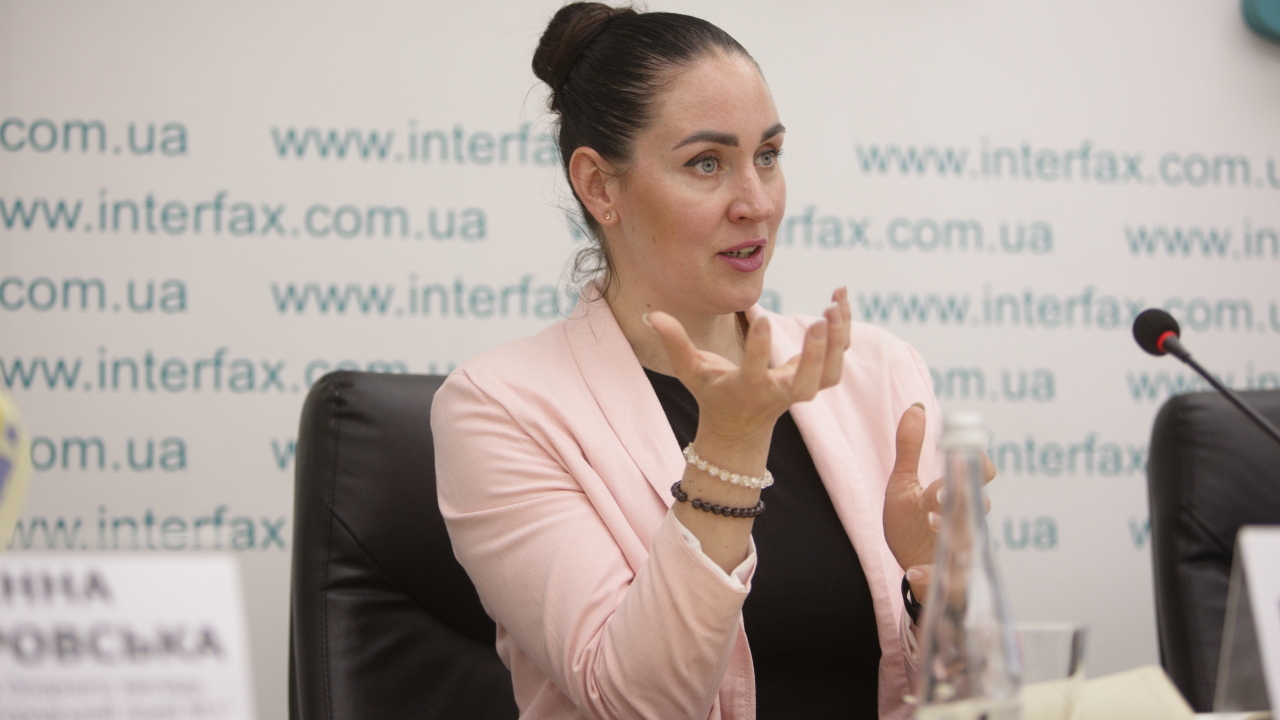
“After a sleepless night due to a ‘suicide bomber’ attack, my child said in the morning: ‘Mom, I want to go to school; we have a knowledge assessment today.’ For me, this was a sign that my child isn’t afraid of learning but truly wants to learn,” she said.
The program’s developers emphasize: “The Land of Knowledge” was created as an accessible model that can be implemented in both large cities and small communities without expensive equipment or multimillion-dollar expenditures.
“You don’t need expensive laboratories to foster a mindset of inquiry. It’s enough to teach a child to ask questions and seek answers,” the program’s authors noted.
Schools in Kyiv, Brovary, and the Ivano-Frankivsk region are already participating in the program. Next year, the project is set to be scaled up and expanded to include preschool and elementary schools.
“We are preparing not just students, but young inventors and citizens who will rebuild Ukraine in the future,” concluded Onopriyenko.
The “Land of Knowledge” educational program was created by researchers at the Institute of Pedagogy of the National Academy of Pedagogical Sciences of Ukraine in collaboration with practicing teachers as an unconventional model of primary education for Ukrainian schools. The program is based on the STEM approach and focuses on developing critical thinking, research skills, emotional intelligence, and teamwork. Currently, the model is being implemented in schools in Kyiv, Brovary, and the Ivano-Frankivsk region. According to the developers, the program is adapted for both urban and rural communities and does not require expensive technical equipment to implement.
Country of Knowledge Nahorniuk Onopriyenko Yermak
Last modified: May 15, 2026






 Аналітичні дослідження у сфері макроекономіки, політології, футурології з використанням передових науково-технічних досягнень та методів. Створення відеоконтенту, надалі – документального контенту. Проведення конференцій, консалтинг, розвиток дискусійних майданчиків.