
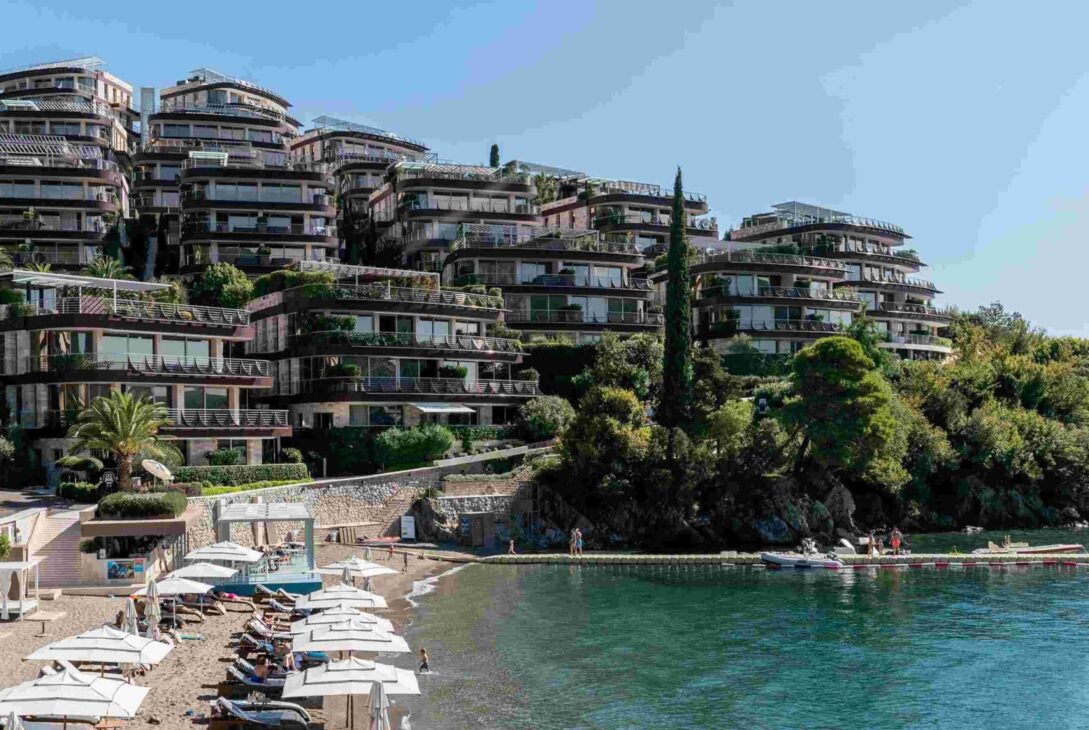
Montenegro’s economy will end 2025 with steady but not explosive growth: according to IMF estimates, the country’s nominal GDP in 2025 will be around $9.35 billion, with growth rates of around 3.2% after a strong recovery in 2023. This confirms the general conclusion expressed in the Montenegrin media: the economy is growing, but demographic and structural risks remain.
Since 2020, Montenegro has gone from a deep COVID-induced recession to its current level: according to government and international organizations, GDP in euros has grown from approximately €4.2 billion in 2020 to around €7.8 billion in 2024, largely thanks to the recovery of tourism and construction. In 2025, growth slowed to ~3.2%, which is in line with the latest IMF estimates.
Key parameters for 2025 (estimated):
1) GDP growth: around 3.2%
2) Nominal GDP: ~$9.35 billion, or ~$15,000 per capita
3) Inflation: in the range of 3–4% (after a spike in 2022–2023)
4) Unemployment: double digits — around 13–14% according to estimates by international institutions
5) Public debt: around 66% of GDP, which remains high for a small economy.
The structure of the economy is typical for a small Mediterranean country: about 3/4 of the added value comes from the service sector, including tourism, trade, finance, and transport. Industry (energy, metallurgy, processing) accounts for less than 20% of GDP, agriculture — about 7–8%.
Tourism remained a key driver in 2025. According to official data, the number of tourists and overnight stays in Montenegro in the first months of 2025 exceeded the figures for 2019.
For the economy, this means:
high revenues from accommodation, food, and transportation services;
sustained demand for the construction and renovation of hotel infrastructure;
growth in consumption and tax revenues in coastal municipalities.
But at the same time, a structural problem is intensifying: the dependence of GDP and the budget on a single sector. Any shock — from geopolitics to a bad season or climate risks — instantly affects employment and income.
In 2025, domestic demand continues to grow, supported, first, by growth in average wages (according to official statistics, the average net wage exceeded €1,000 by the end of 2024, and this trend continued in 2025); secondly, by lending to households and businesses; thirdly, by government investment in infrastructure and energy.
Projects to develop transport infrastructure and green energy (wind farms, solar stations) are continuing, supporting the construction sector and related industries. However, the shortage of skilled labor and rising costs in construction and services are already slowing down the pace of project implementation, as both business associations and the Central Bank regularly warn.
According to estimates by international institutions, the external position remains vulnerable: the country has a significant current account deficit and a noticeable amount of external debt, which makes it dependent on a constant inflow of tourism revenues and FDI.
The most important red flag for Montenegro is demographics. According to estimates, the country’s population in 2025 will be around 625,000–630,000 people, and for several years in a row there has been a slight but steady decline in the size and aging of the population.
The key demographic trends in the country are as follows:
1) negative natural growth and migration outflow of young people;
2) concentration of population and economic activity in Podgorica and coastal cities, with mountainous areas becoming depopulated;
3) growing shortage of personnel in medicine, education, IT, construction, and tourism.
It is this duo – a growing economy and deteriorating demographics – that is described in a series of analytical articles in the Montenegrin media with the formula: “the economy is growing, demographics continue to warn.”
According to the Experts Club think tank, by the end of 2025, Montenegro’s economy will face several systemic challenges:
- Excessive dependence on tourism and consumption.
- Up to a quarter of GDP and a significant portion of employment are linked to tourism and related services. Any shocks in this sector immediately affect the entire economy.
- High debt and external imbalances.
- Public debt at over 60% of GDP and persistent current account deficits make the country sensitive to changes in financing conditions in external markets.
- Weak industrial diversification.
- Metallurgy, raw materials processing, and energy remain important, but there are few new high-tech industries.
- Demographic pressure.
- Population decline and youth outflow limit long-term growth potential and increase the burden on the pension system and healthcare.
- Institutional constraints.
- Issues of governance effectiveness, the judicial system, regulatory predictability, and the fight against corruption remain important factors for investors.
Experts Club forecast for 2026: cautious optimism with a “but”
Based on current trends and forecasts by international organizations, the Experts Club expects Montenegro’s economy to maintain a moderate growth trajectory in the range of 3–3.3% in 2026.
Tourism, in the absence of external shocks, will remain a key driver and is likely to set new records for revenue and employment.
Investments in infrastructure and green energy will continue to support construction and related services.
Wages will grow, but at a slightly slower pace than in 2022–2024, as the government and businesses are already paying closer attention to competitiveness.
At the same time, the risk block will intensify in 2026, with the most significant risks being:
1) a possible slowdown in the eurozone, which is the main source of tourists and investment;
2) tighter global financial conditions, which could make debt servicing more expensive;
3) increased competition in the tourism market from other countries in the Adriatic and Eastern Mediterranean regions;
4) further deterioration of the demographic situation and labor shortages.
Conclusions of the Experts Club:
Montenegro enters 2026 as a country with a growing but structurally vulnerable economy. The macro figures look relatively healthy, but without answers to questions of diversification, demographics, and the quality of institutions, growth will remain “fragile.” . The potential to become a sustainable tourism and investment hub in the region exists, but to realize it, Montenegro will have to move from a “tourism plus infrastructure” model to one where innovation, high value-added manufacturing, and active policies to retain and attract people play a greater role in the coming years.
Last modified: December 29, 2025









 Аналітичні дослідження у сфері макроекономіки, політології, футурології з використанням передових науково-технічних досягнень та методів. Створення відеоконтенту, надалі – документального контенту. Проведення конференцій, консалтинг, розвиток дискусійних майданчиків.